
This is part 5 of our hike around Jeju Island. Go back to part one or part two or part three or part four.
Olle 20, first part
Olle 20 is a coastal hike that goes along some very pretty white-sand beaches. The hike begins at Gymnyeong, which has a stunning beach.
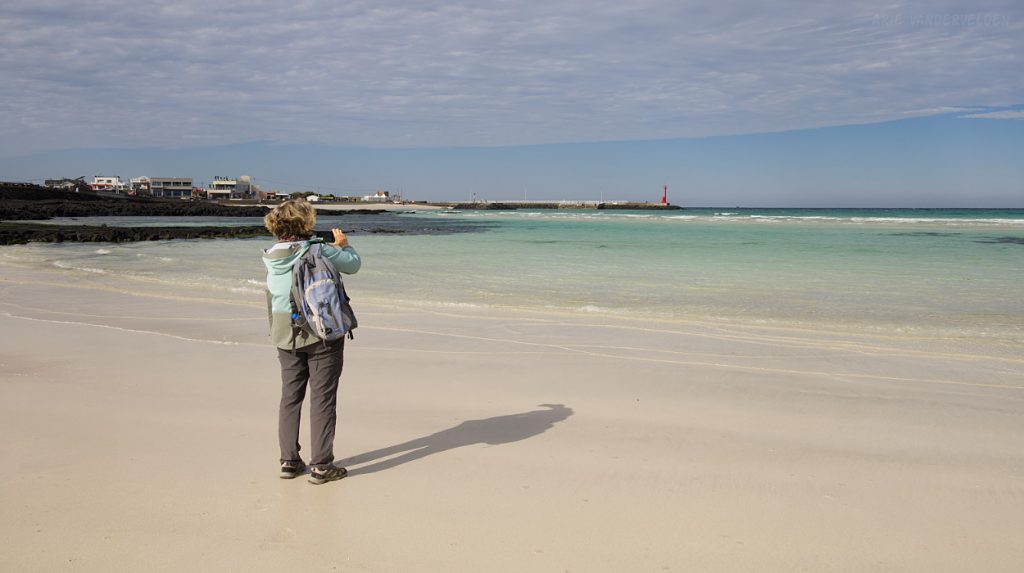
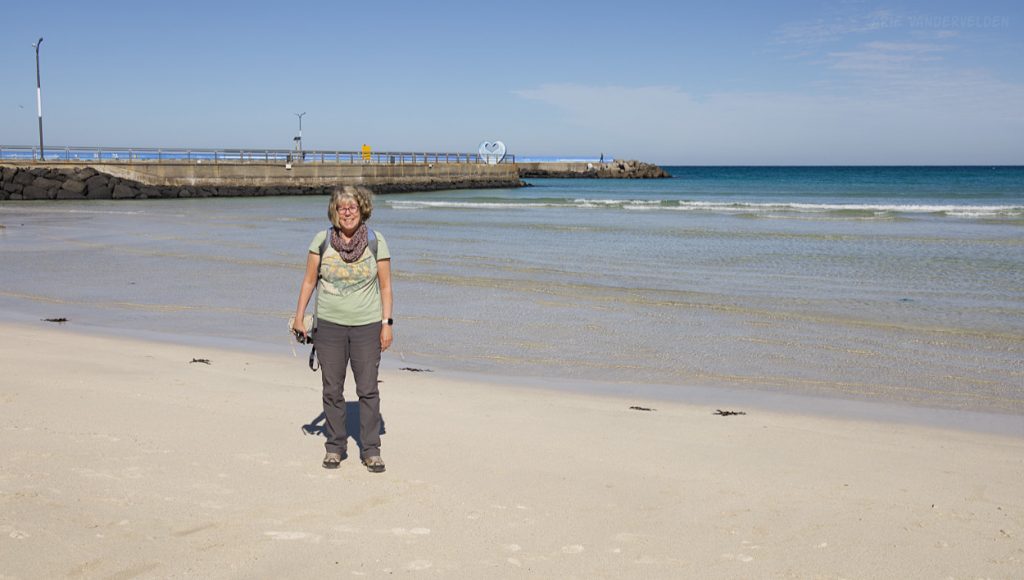
Me at Gymnyeong Beach.
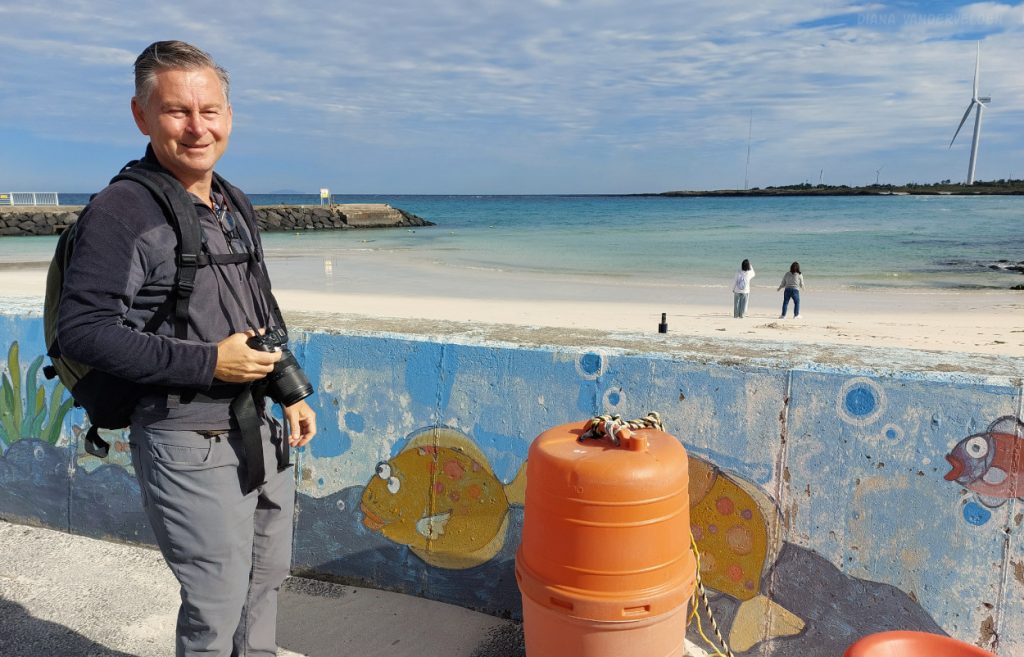
Hiking Gymnyeong Beach was a joy.
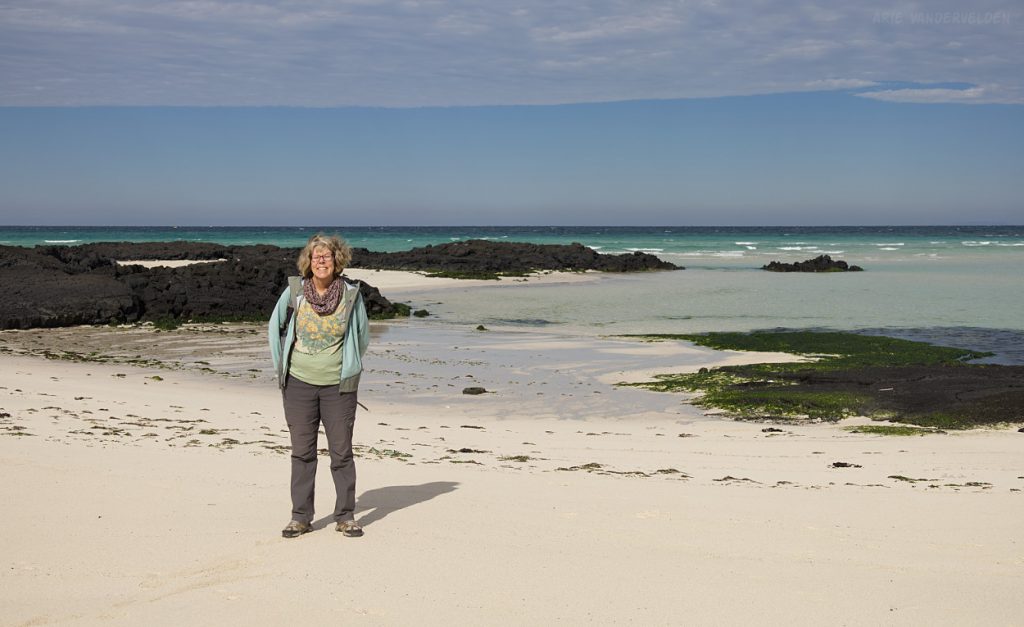
At the end of the beach the trail led onto a lava flow.
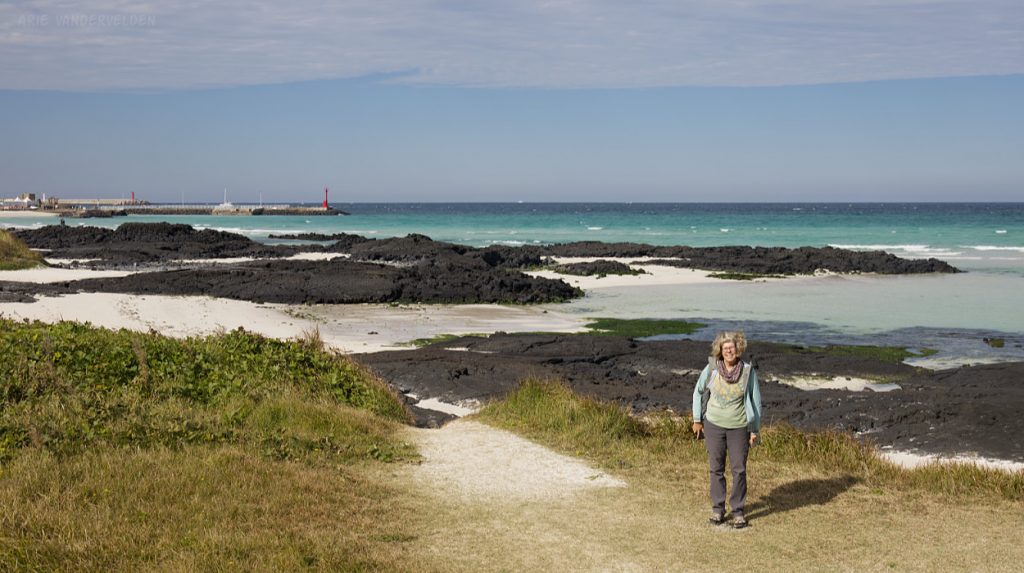
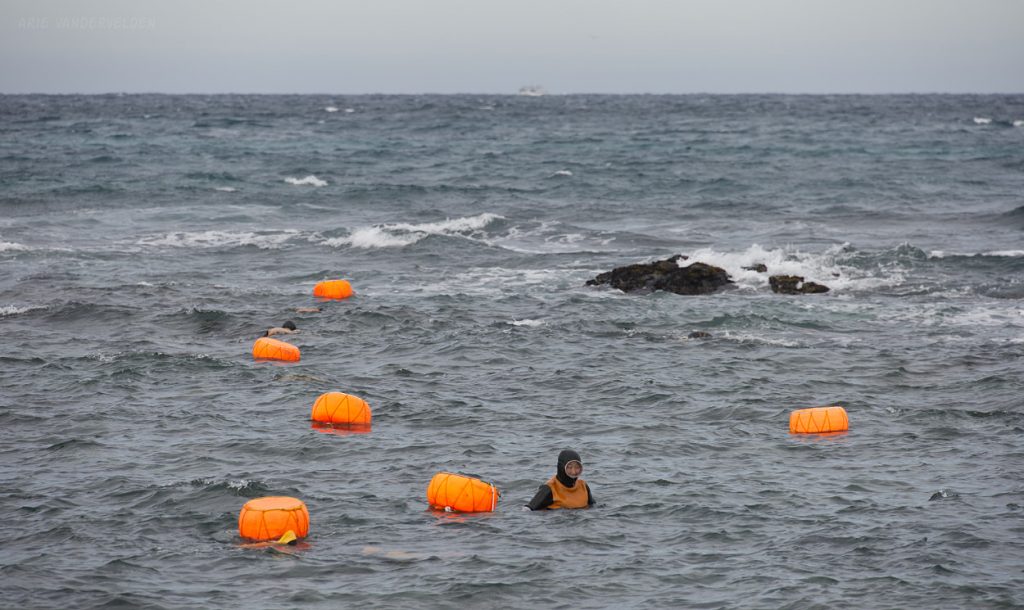
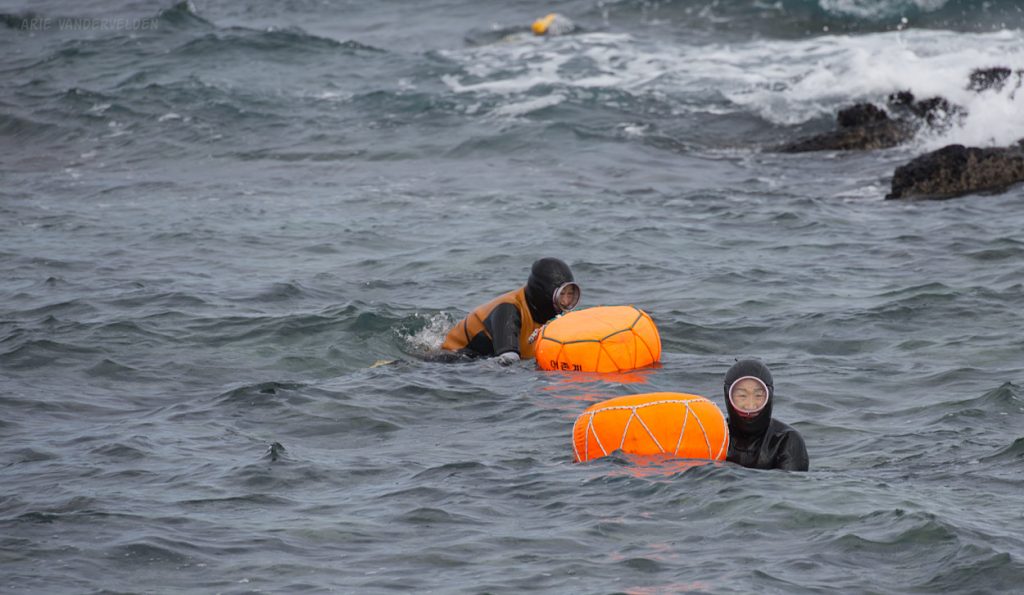
As you might expect from a lava flow, the hiking was cumbersome with poor footing. However the lava flow section was short, and soon the Olle followed the coastal road. I spotted some Haenyeo divers at work while we were walking along the road.
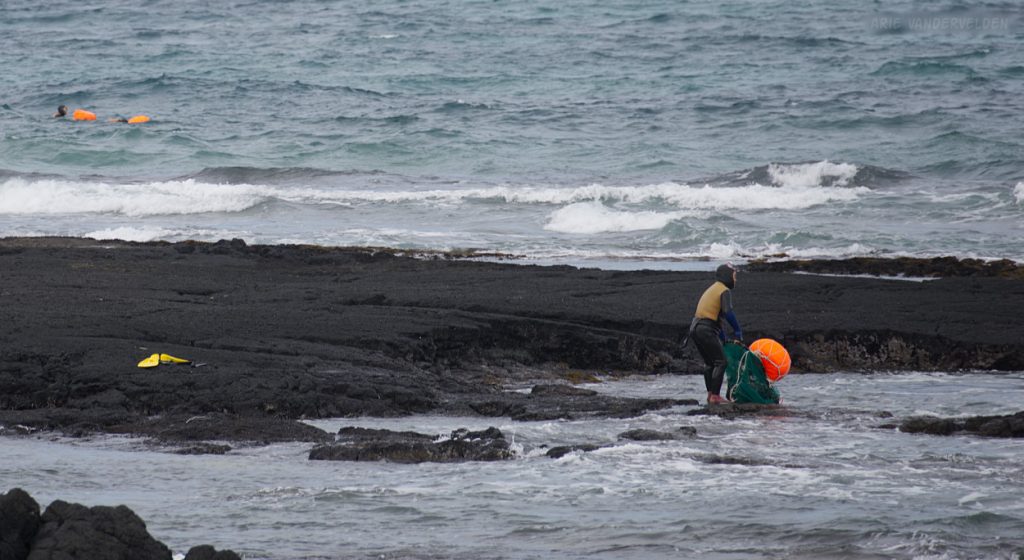
Haenyeo diver exiting the water. The green net holding her catch appeared to be quite full.
Beyond, the trail went inland for a while and led to Woljeong, where we stopped for lunch. Woljeong has a fine beach.
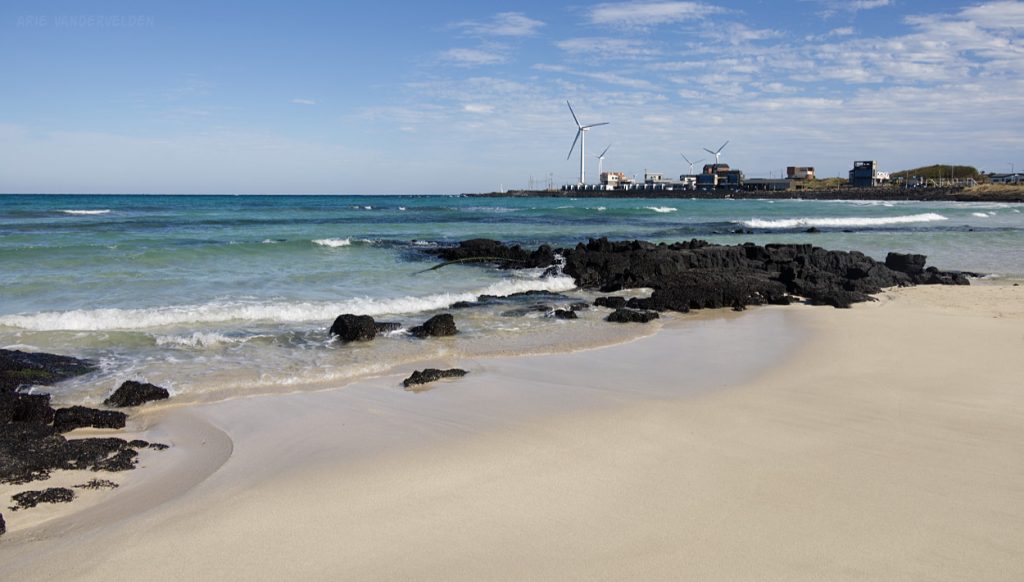
Woljeong is a very pretty spot.
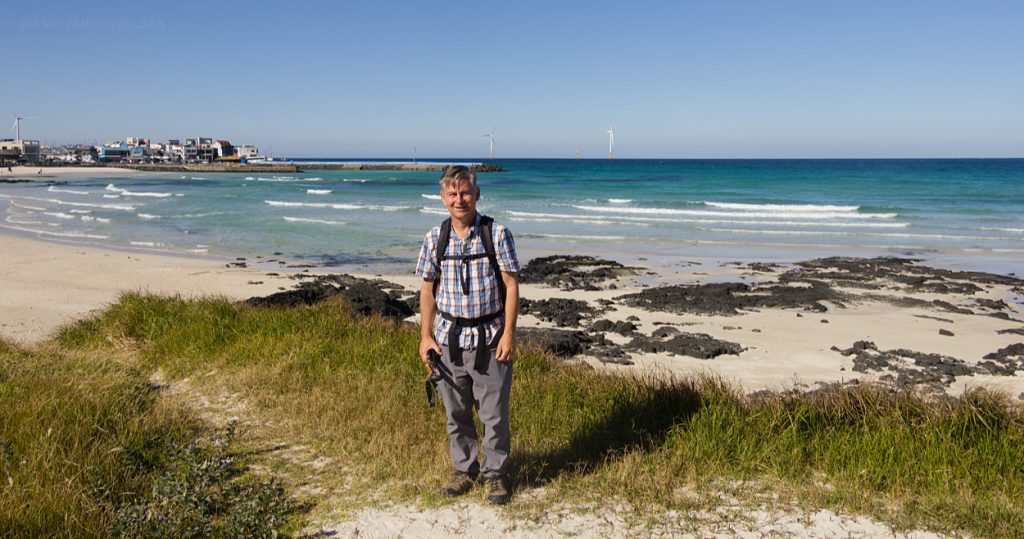
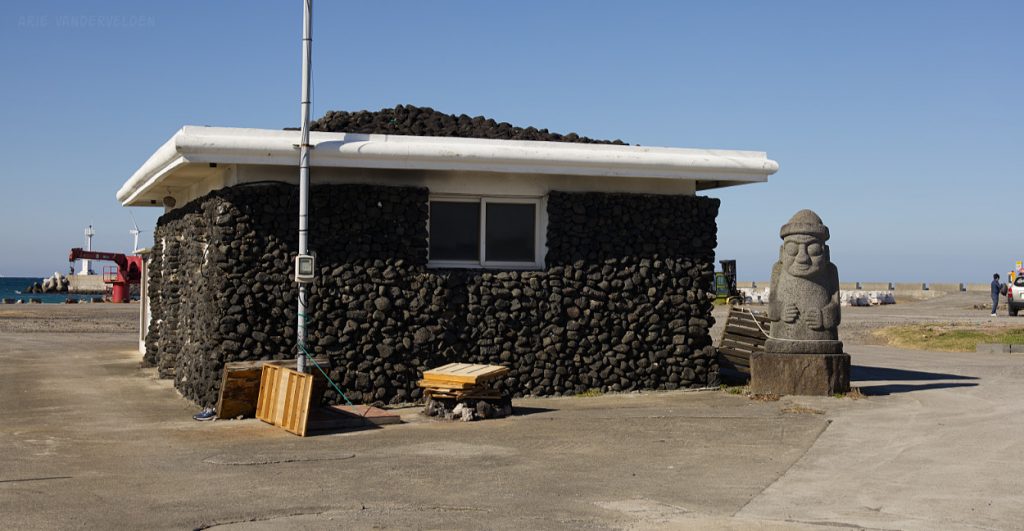
Haenyeo change house on the outskirts of Woljeong.
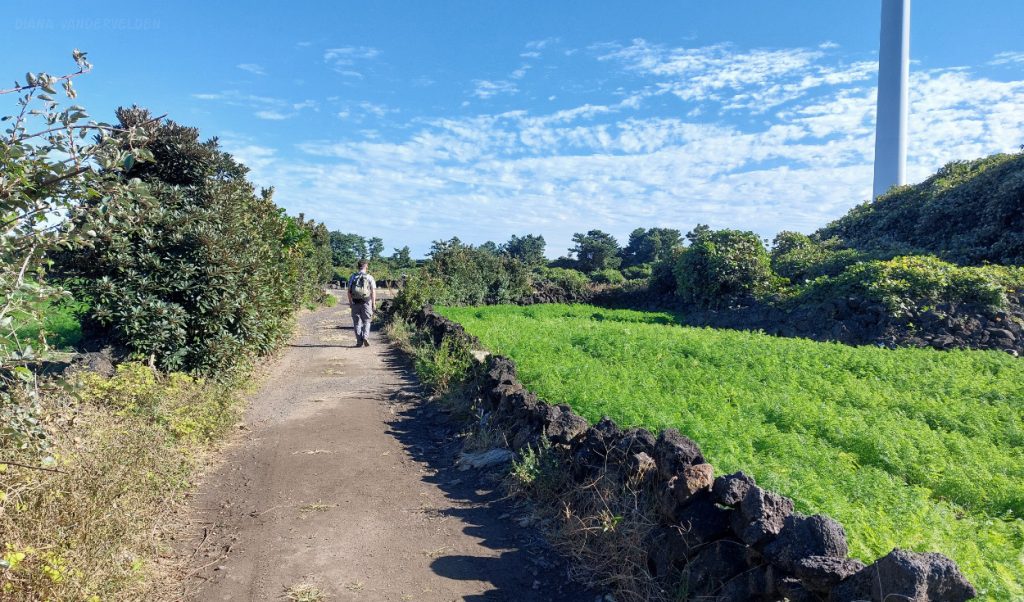
After Woljeong the trail led inland through fields of carrots and other crops.
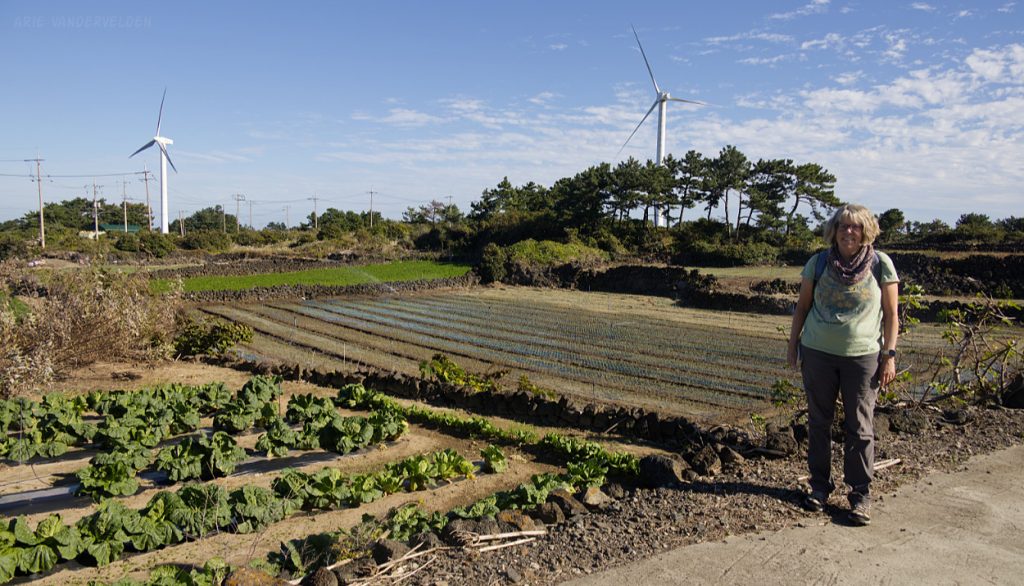
We walked on to the village of Handong, where we caught the bus back to our car. We hiked the remainder of Olle 20 another day, starting at Sehwa, at the other end of Olle 20.
Sehwa five-day market
We drove to Sehwa to finish Olle 20. When we arrived in Sehwa we noticed the five-day market was on. Unlike weekly (7-day) markets elsewhere in the world, Jeju’s markets have a five-day recurrence period. That means that for Sehwa there are markets on the 5th, 10th, 15th, 20th, 25th, and 30th day of each month. Another town may have markets on the 2nd, 7th, 12th, 17th, and so on. We decided to have a look around.
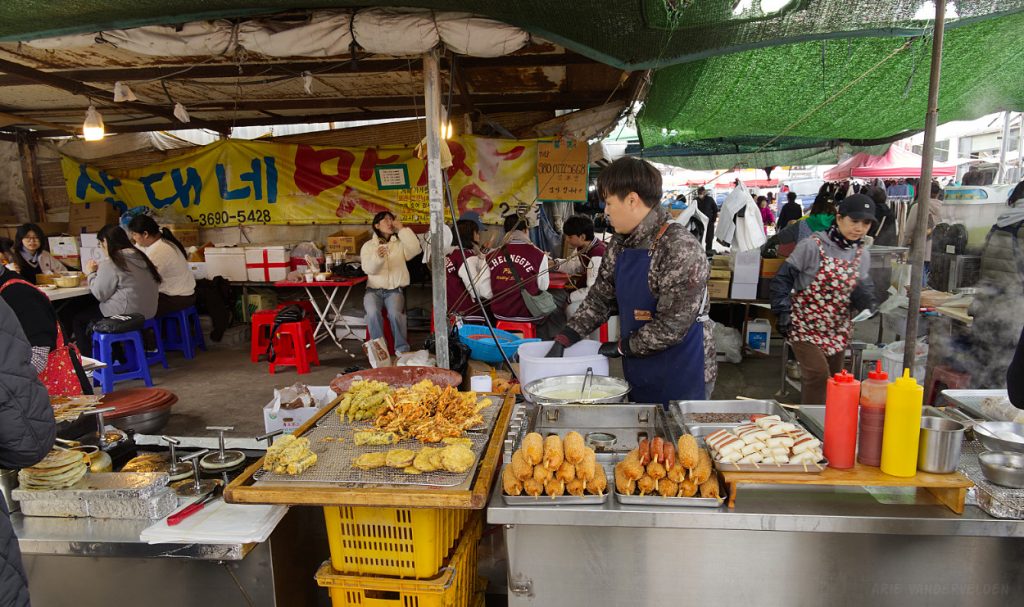
On the periphery of the market there were snack foods for sale.
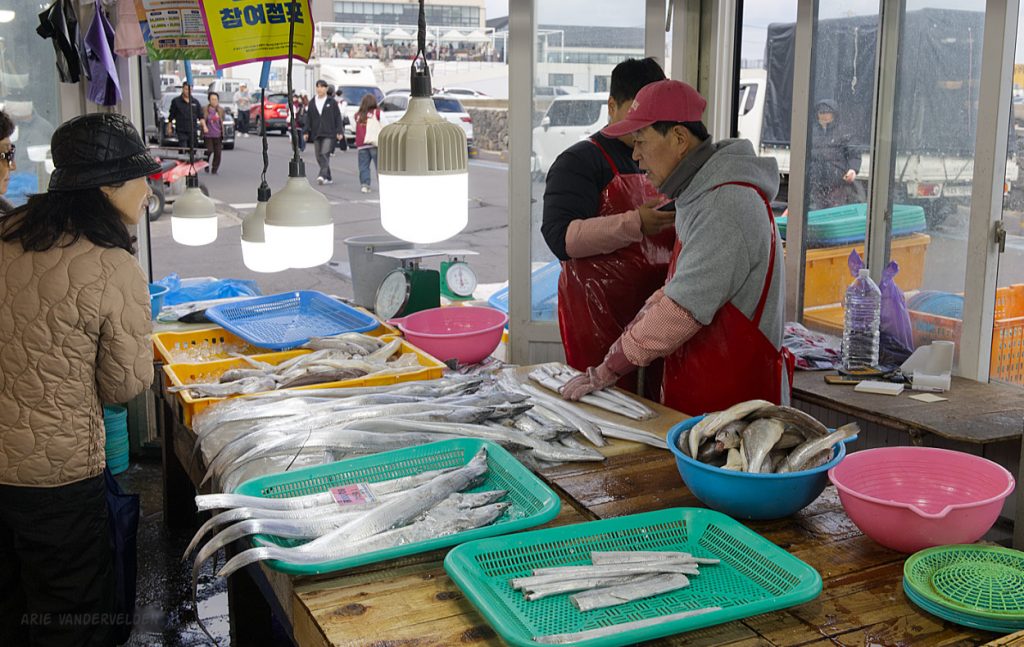
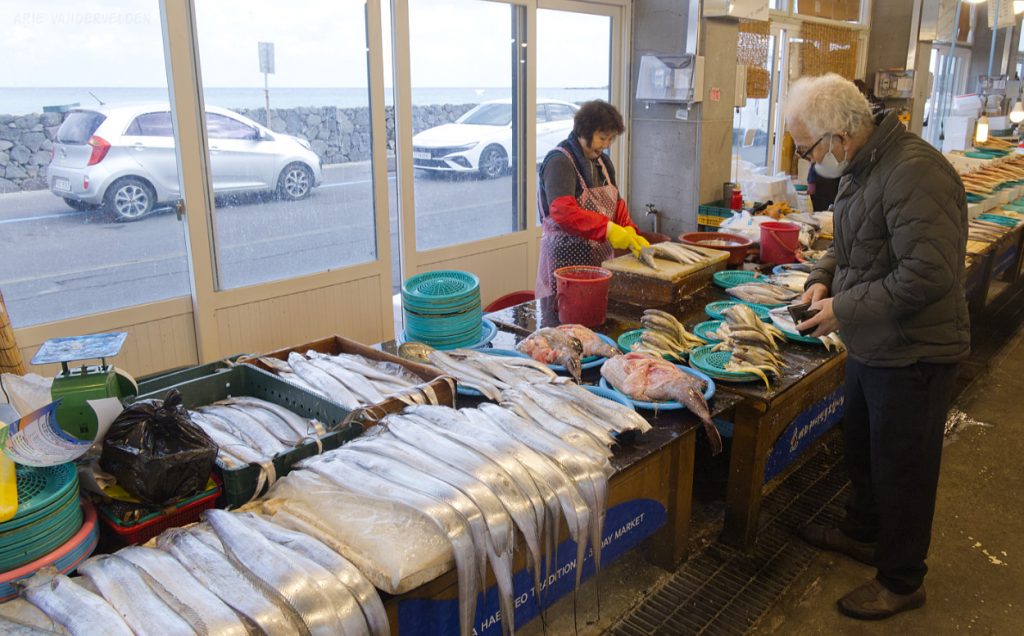
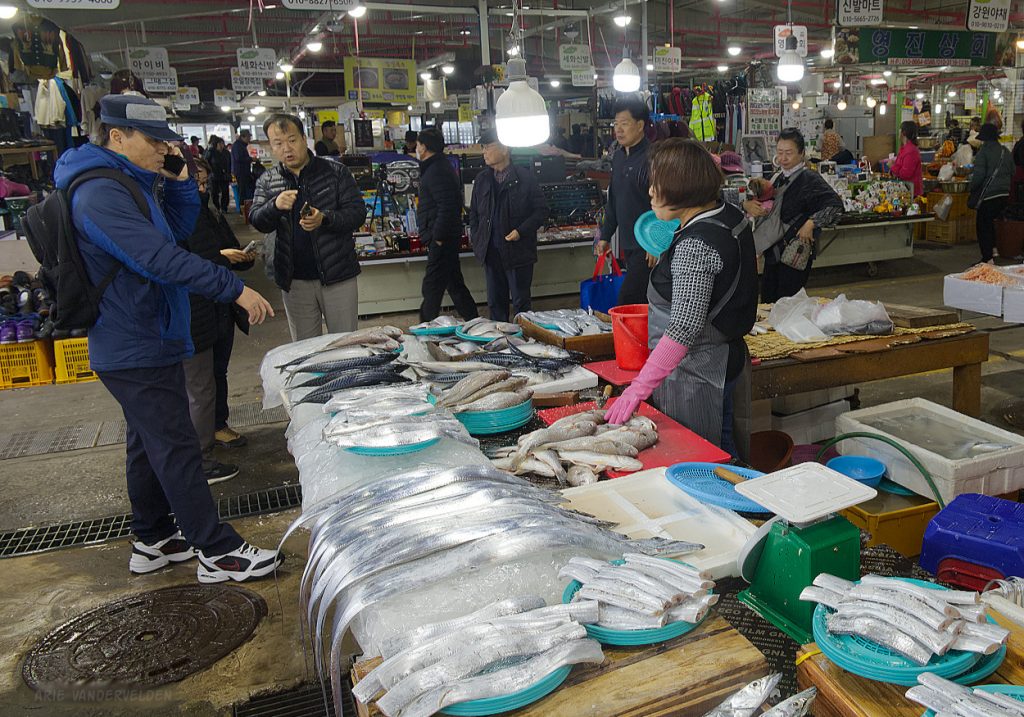
There was a lot of fresh seafood for sale. The long skinny fish are cutlass fish, which have a delicious and delicate flavour but are very bony.
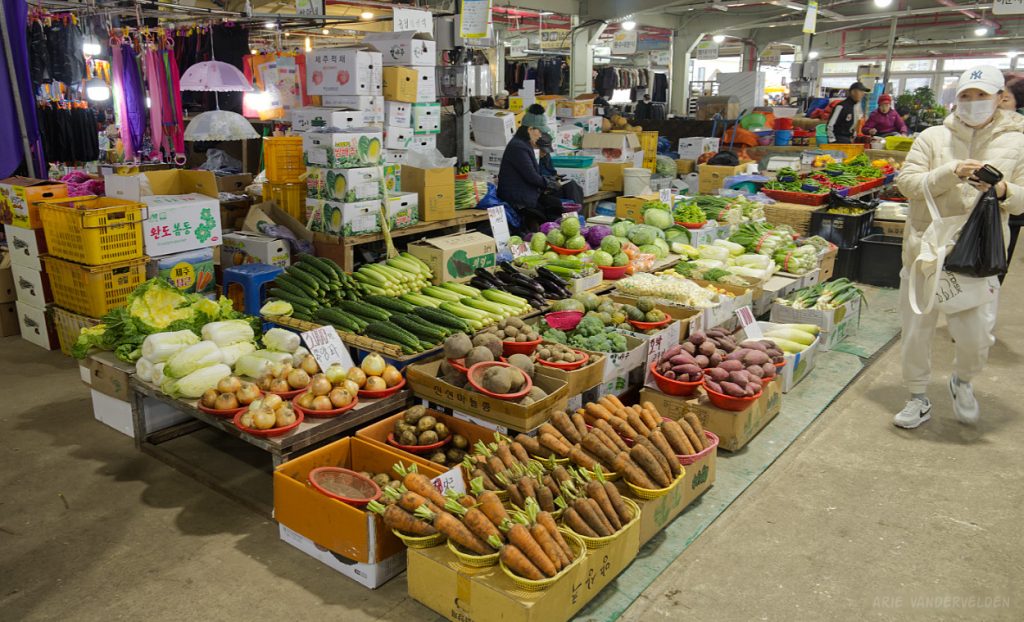
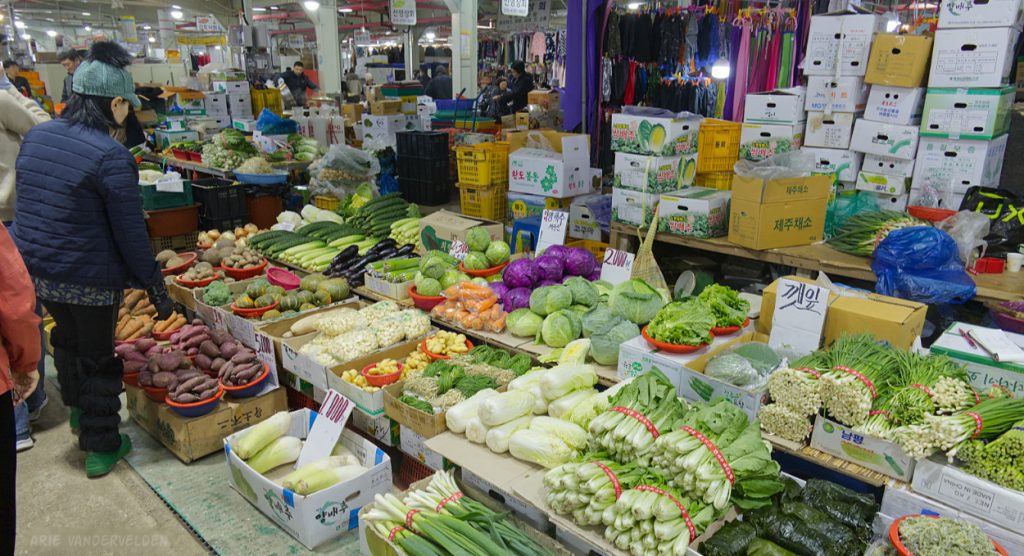
Vegetables for sale.
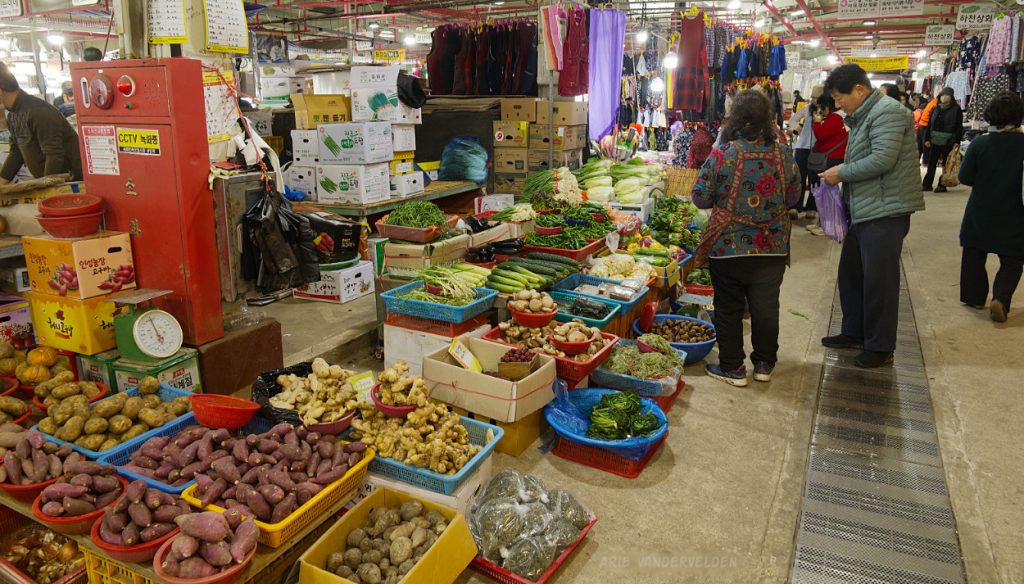
On this trip we stayed in some apartments, and we went to the supermarket to get food. We noticed that fresh food such as fish and vegetables were very expensive in the supermarket, which is surprising because there are a lot of vegetables grown locally and a lot of fish is caught locally. We were wondering how people make do. So now we had an answer to that – people shop for fresh food at the five-day market.
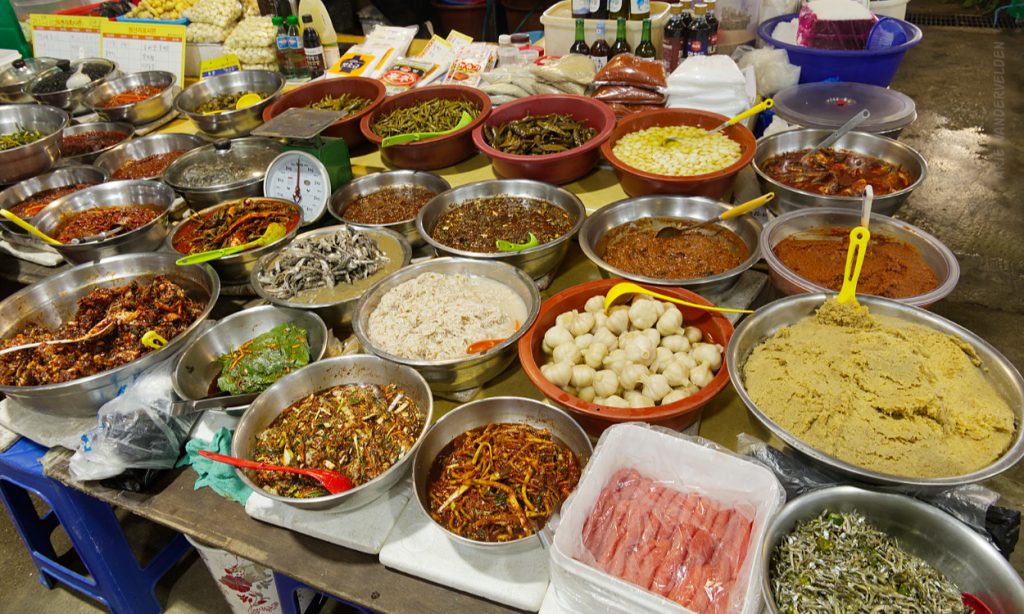
Spices and sauces.
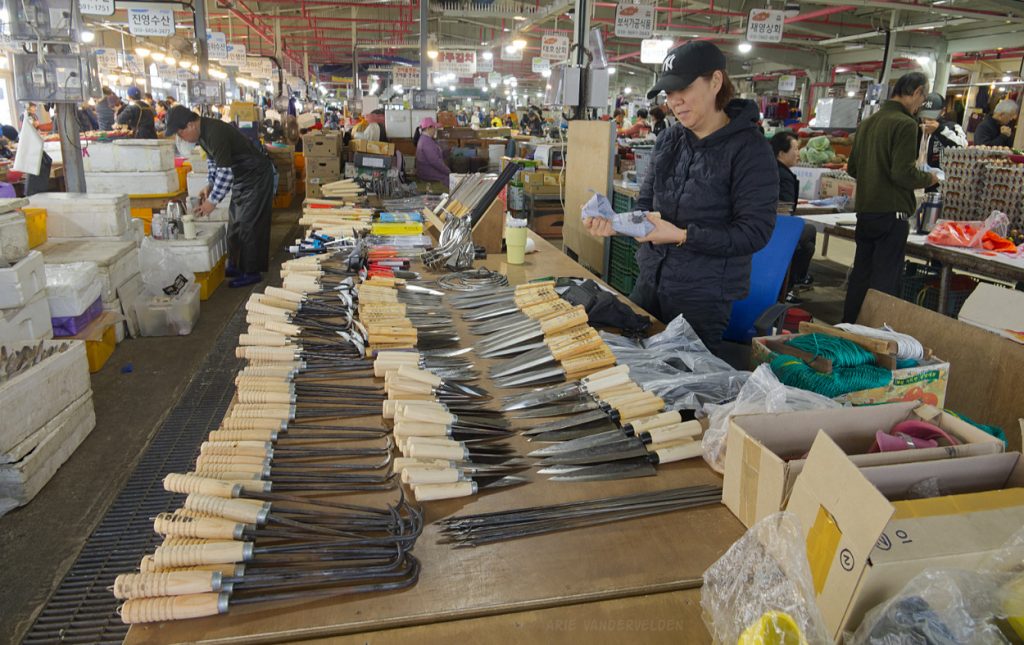
There was a stand where all sorts of pointy tools were for sale. My guess is that this is a blacksmith selling tools to Haenyeo divers.
Remainder of Olle 20
West of Sehma we walked through carrot fields. Elsewhere on Jeju the main crops are cabbages and radishes, but carrots steal the show here.
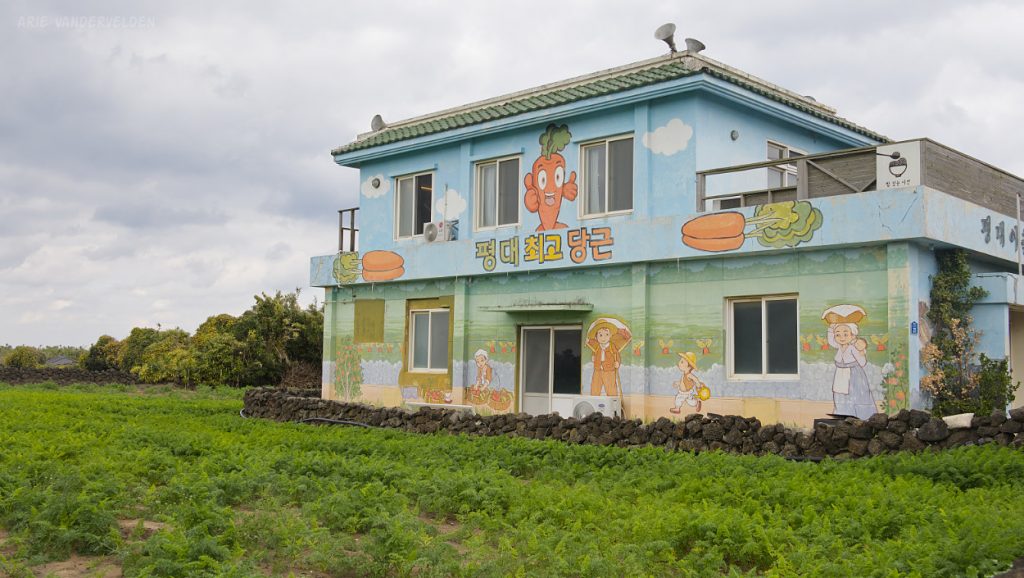
Haenyeo mural.

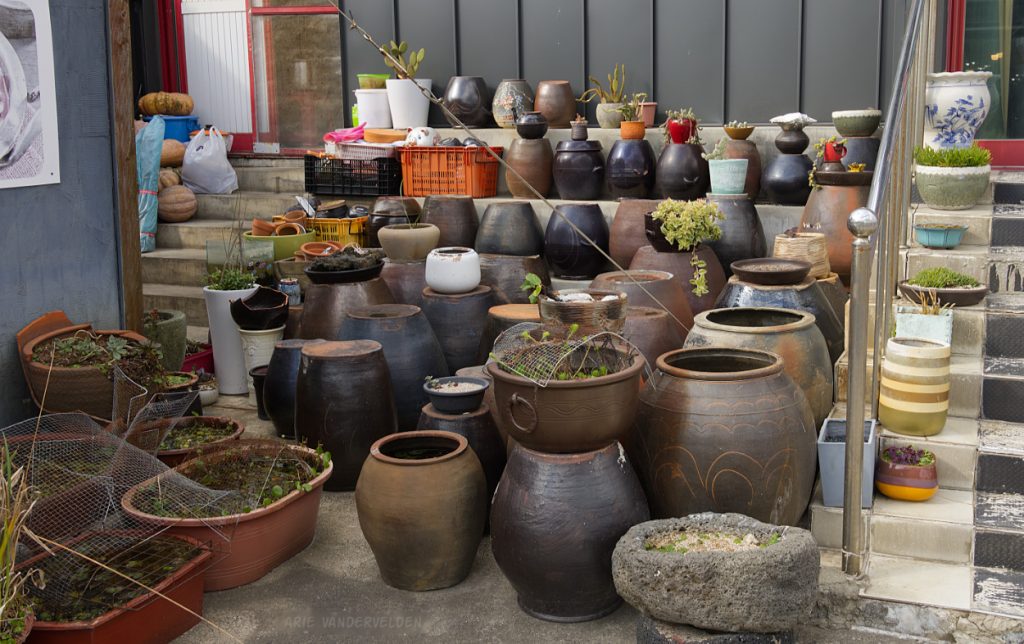
Kimchi pots in a garden.
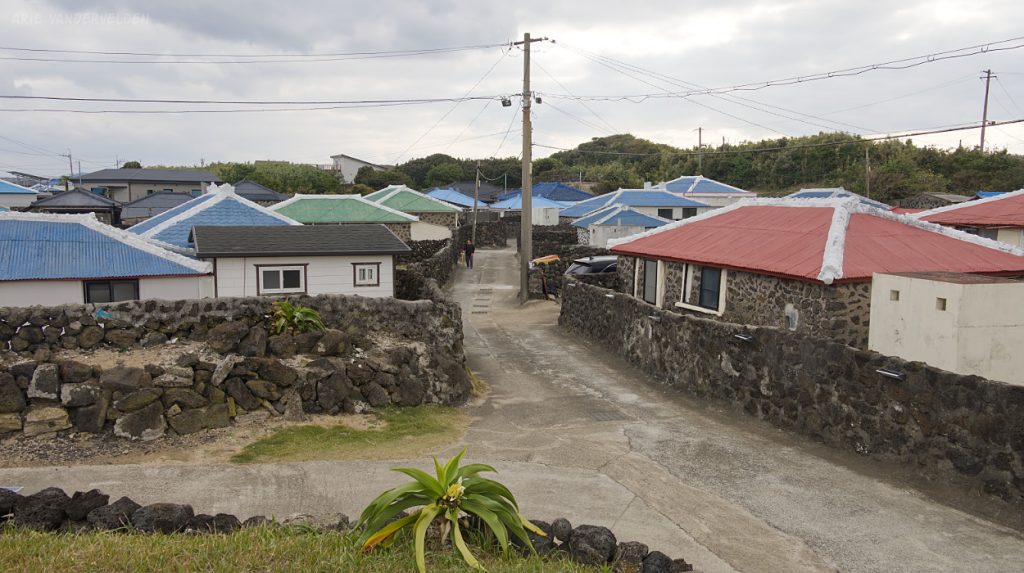
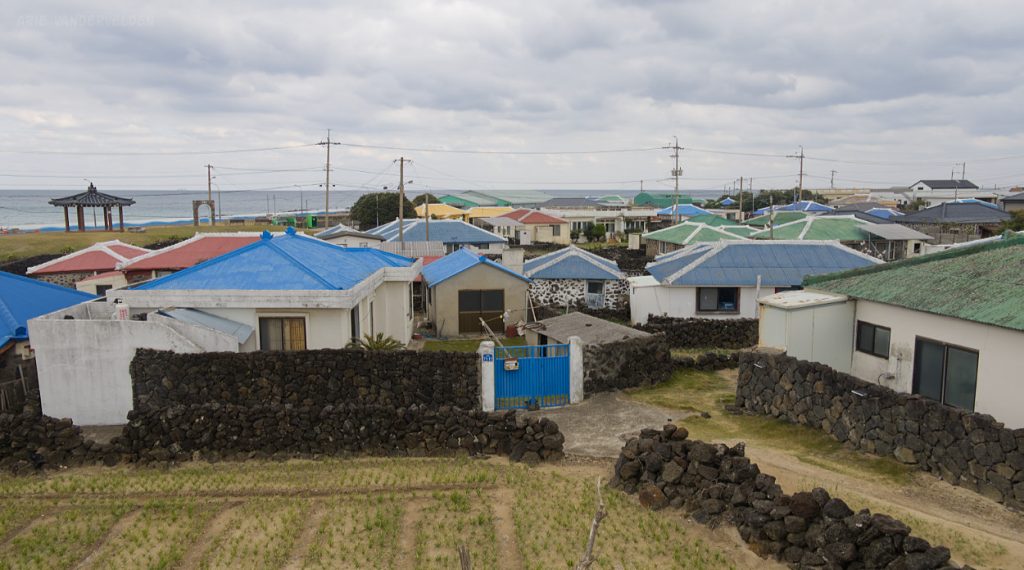
Fishing village with traditional houses. In several back yards we saw Haenyeo gear drying.
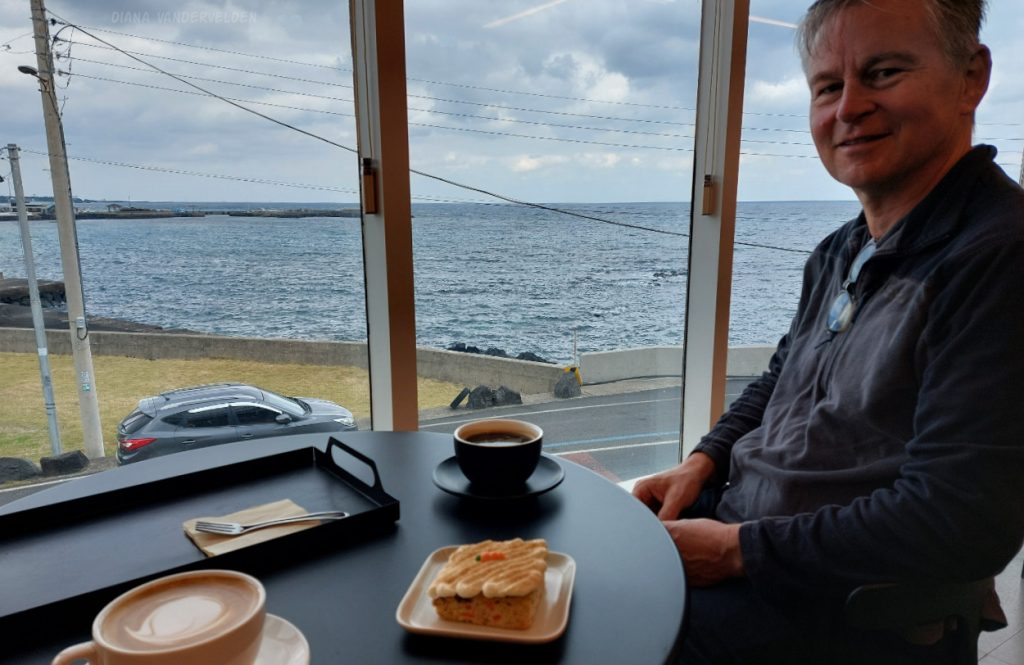
Time for a coffee and a cake in one of the many coffee shops on the island.
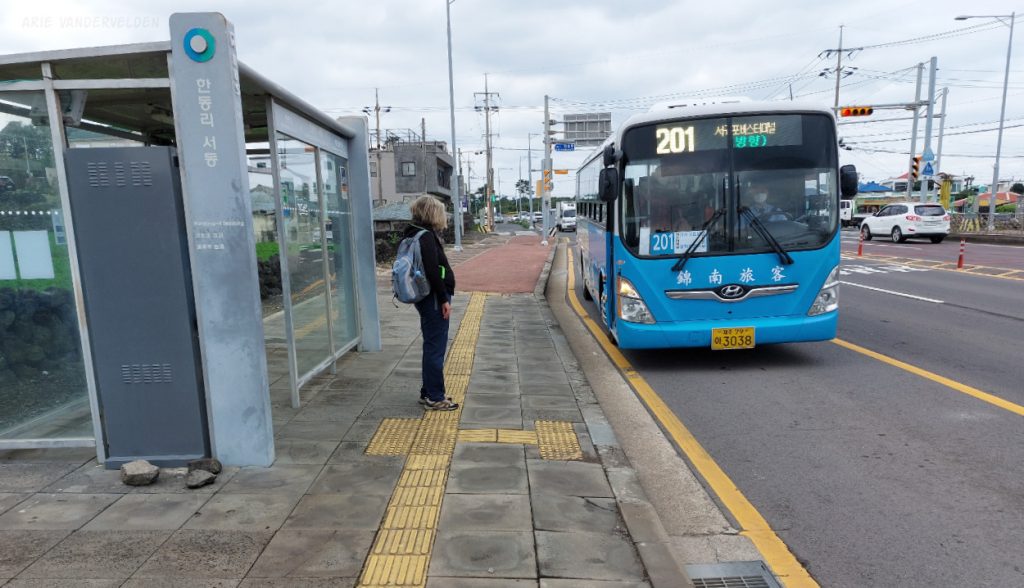
Catching the bus at the end of the day.
Game of cribbage at night.

Olle 21
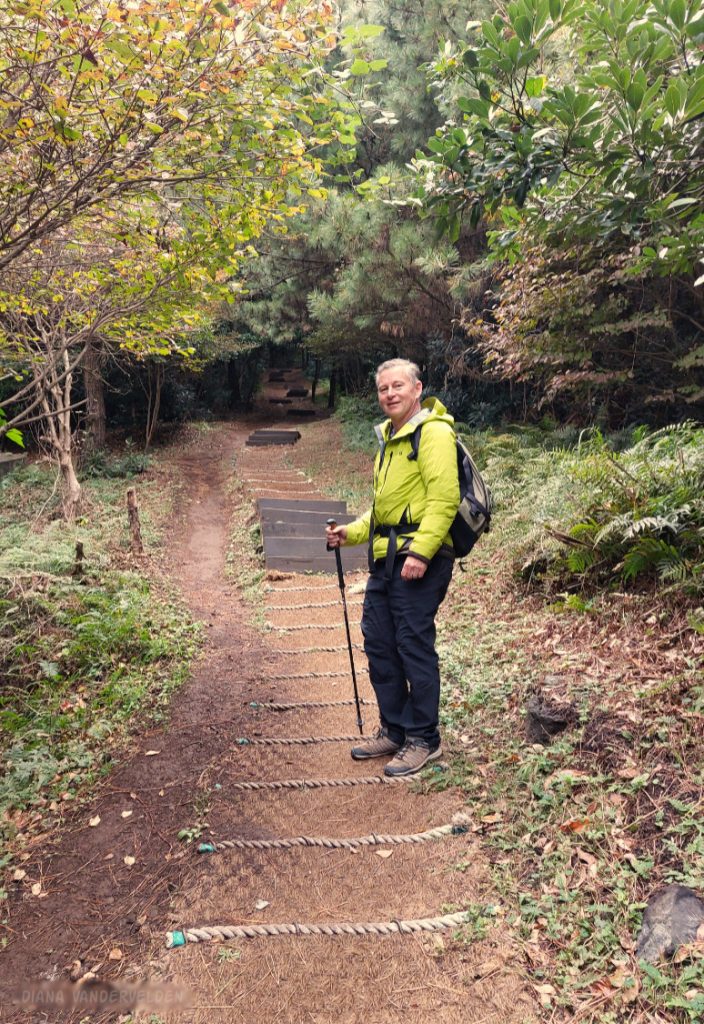
We began Olle 21 with an ascent of Jimibong Oreum. The trail went straight up.
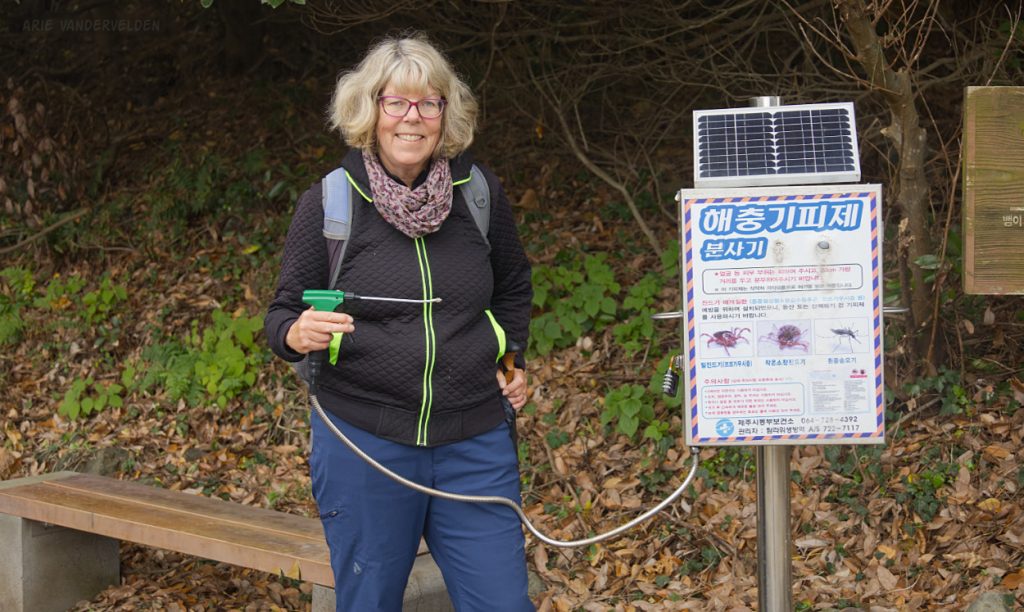
Bug-spray application station.
At the summit were some Korean hikers who took our picture for us.

At the summit there were views of Udo Island. There is an Olle trail on Udo Island, and we’d like to hike it someday in the future.
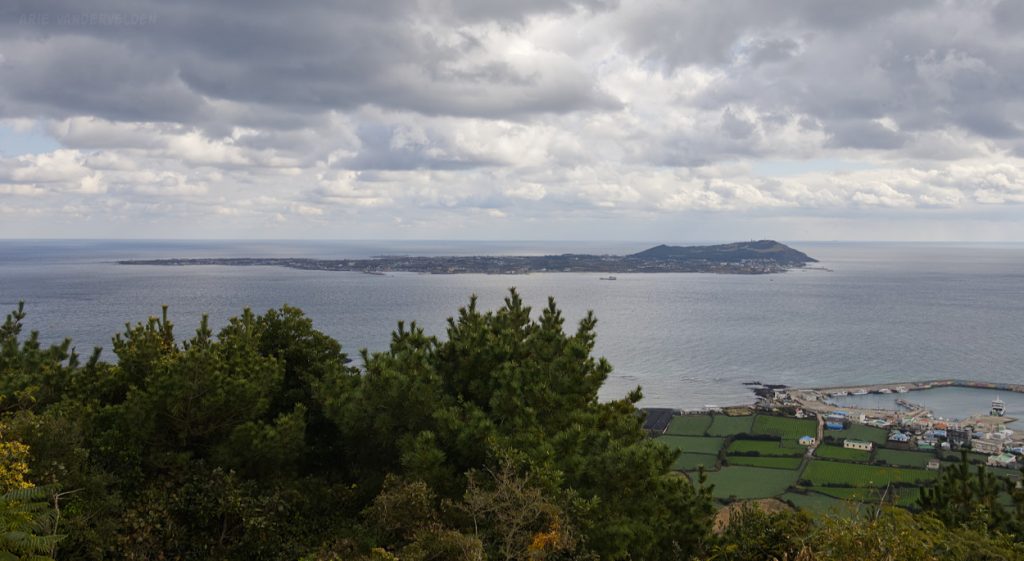
Descending Jimibong Oreum.
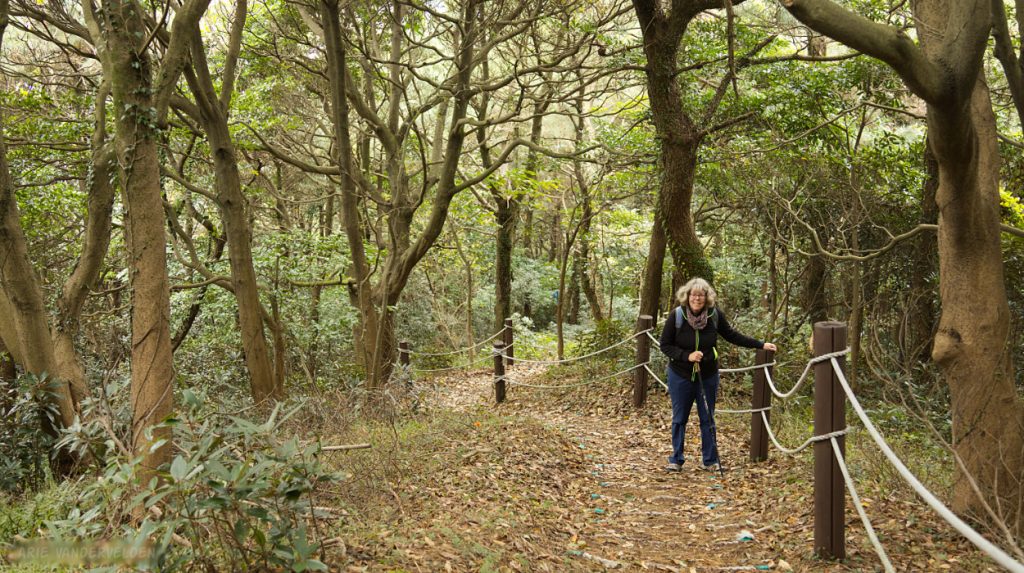
The trail then led through an agricultural area. As we approached Hado it began to rain, so we decided to wait it out in a restaurant. There, we lingered over a bowl of bingsoo (Korean shave ice) topped with local tangerines and peanuts.
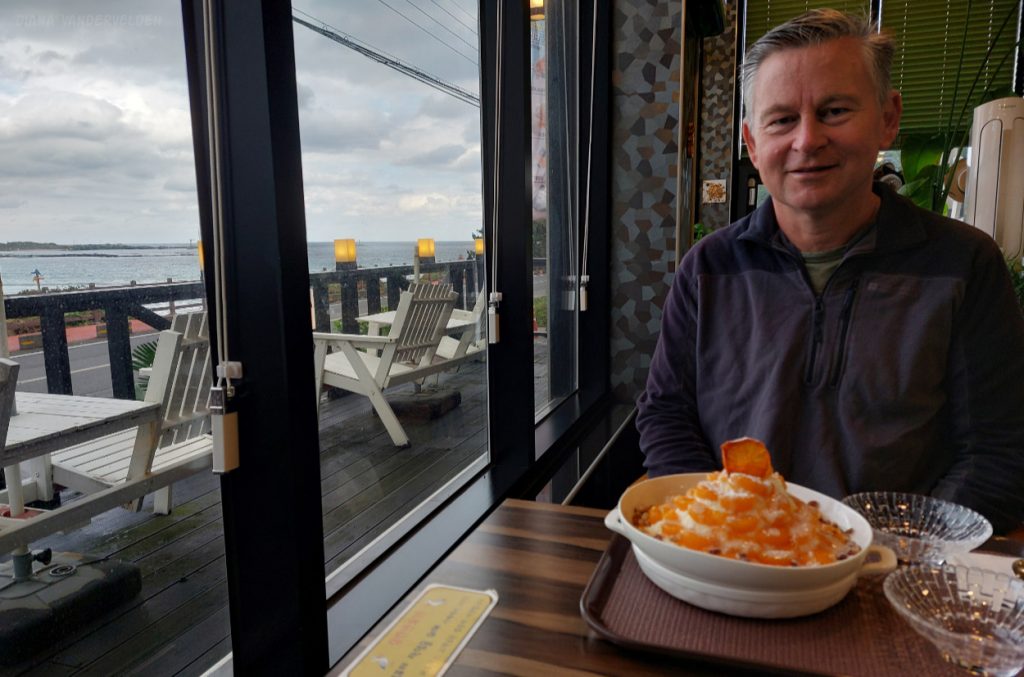
When it looked like the rain was letting up, we dashed outside and continued on. However there was one more downpour before the rain let up in earnest.
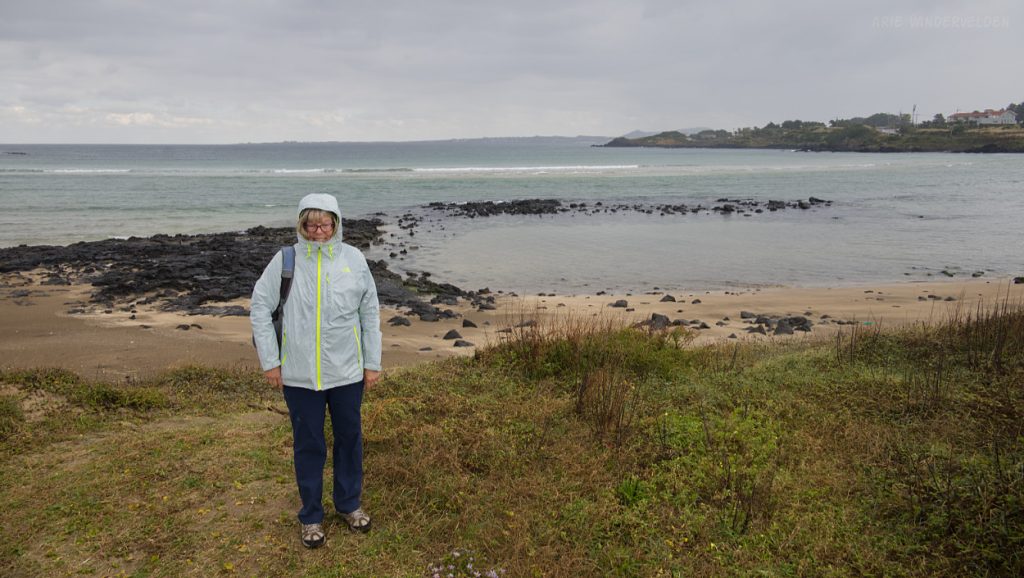
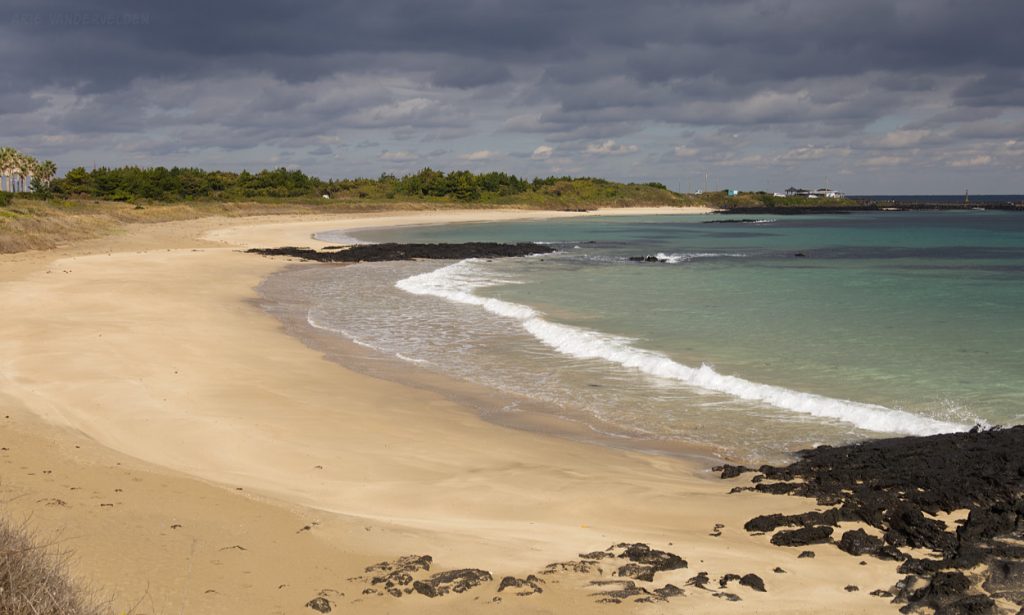
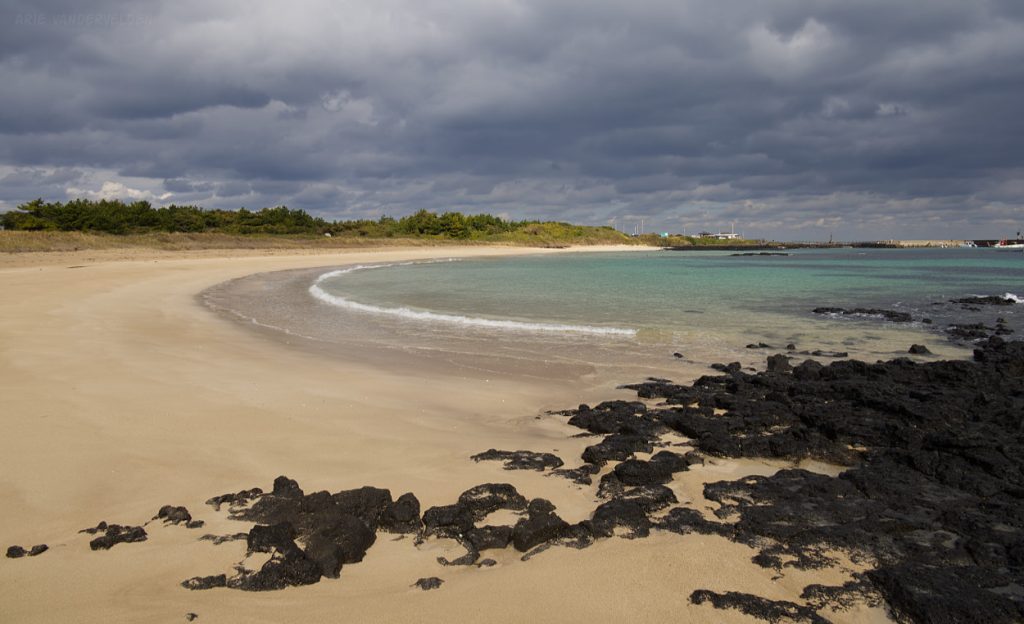
Around the next corner was a really pretty and undeveloped beach. I think this one was my favourite in all of Jeju.
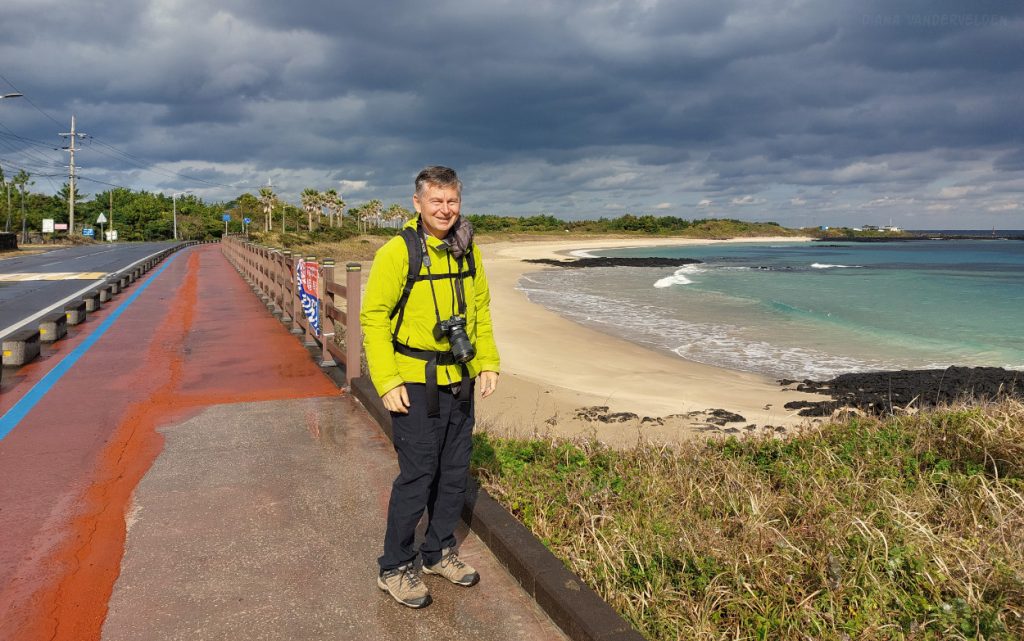
This beach is a perfect crescent of pale sand, with some black lava halfway along. The skies parted as we approached, and sunshine lit up the beautiful scenery.
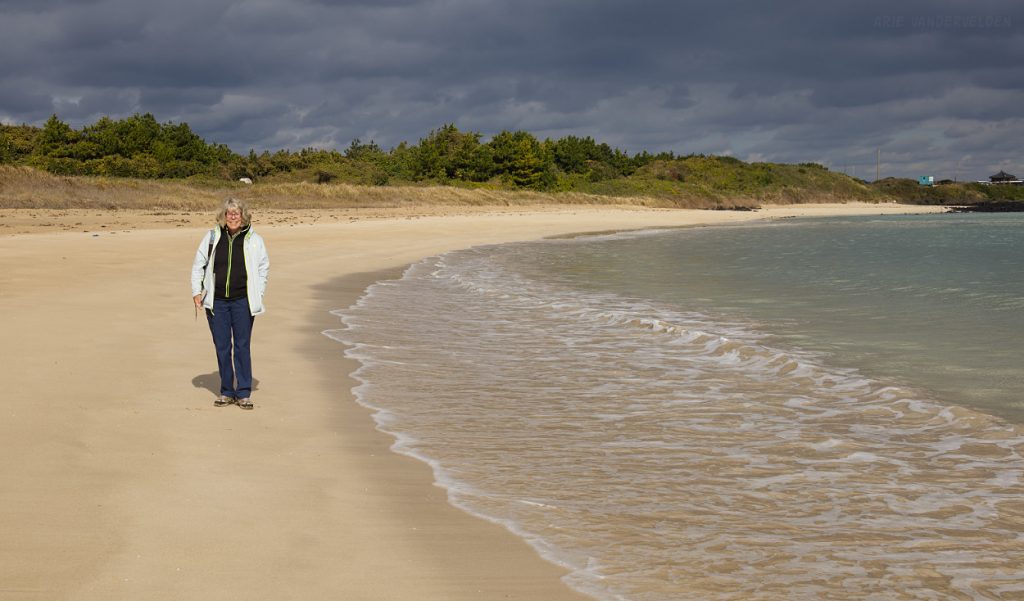
Diana enjoying the amazing scenery.
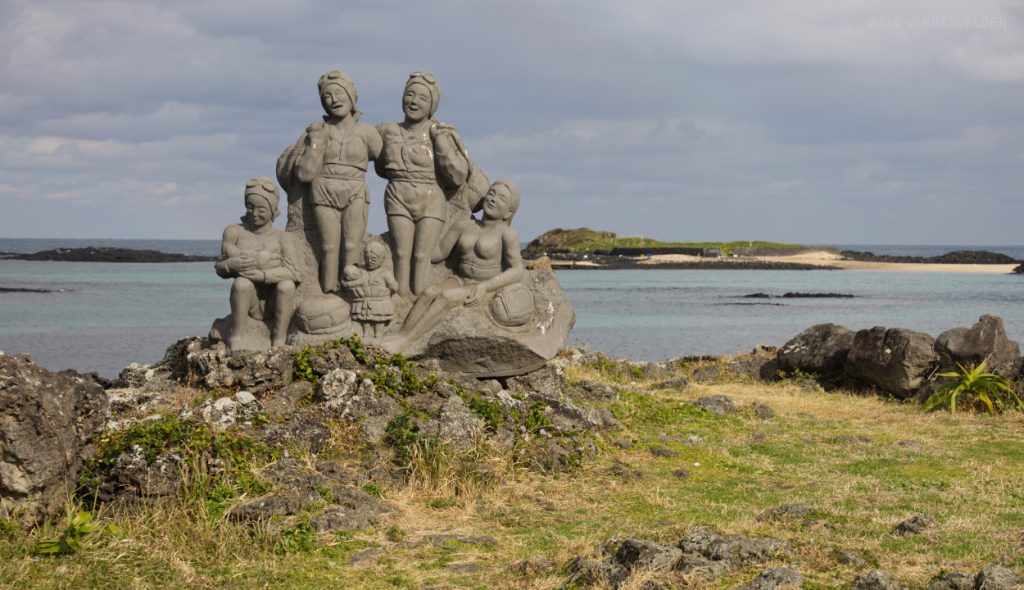
The remainder of the Olle was a pleasant hike along the coastal road, with some inland detours. Here is a statue honouring the Haenyeo divers.
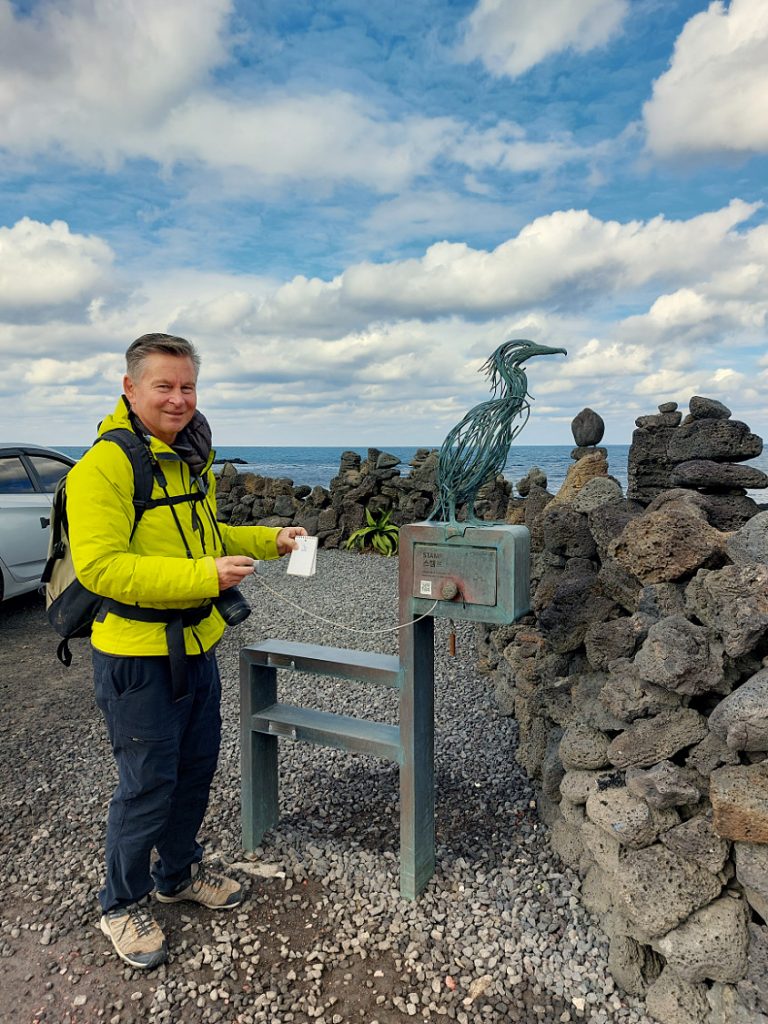
Stamping station.
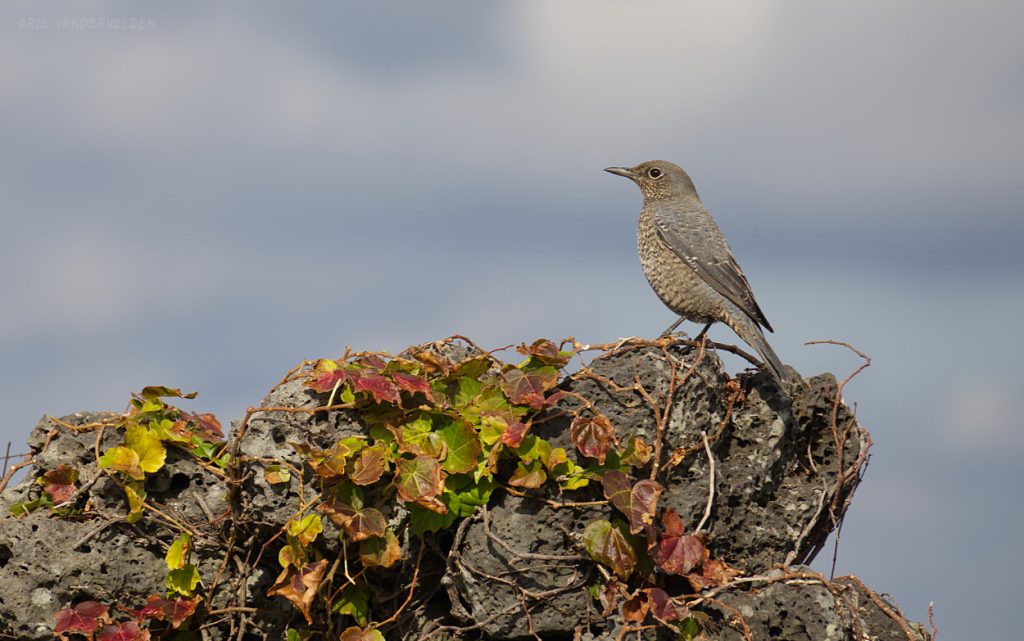
Rock thrush on a stone wall.
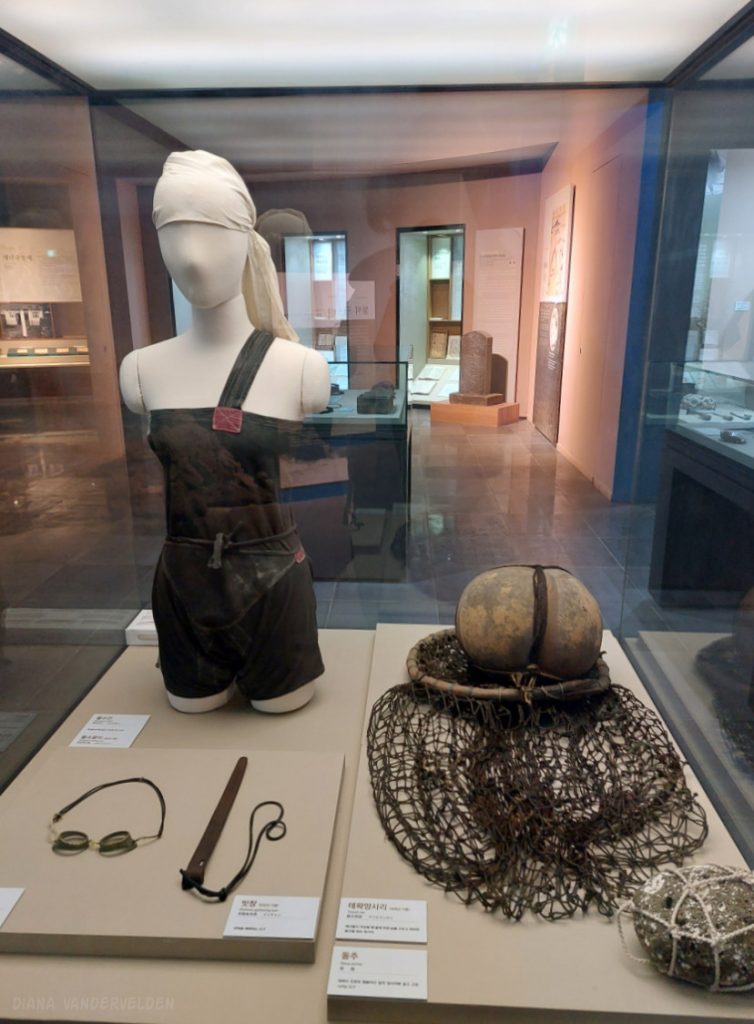
The Olle ended at the Haenyeo Museum. We had a good look around here and learned a lot about the Haenyeo. Prior to wetsuits becoming available in the 1970s, the Haenyeo wore cotton clothing for diving. It must have been a brutally cold profession.
So what comes after Olle 21? Olle 1 does! One could keep going around and around…